
ThinkLink Consulting LLP — Business Consulting & Services
Measuring impact, providing evidence-based solutions.
We help governments, development agencies, foundations and companies find out whether their programmes are working — and what to do next. Independent evaluation, rigorous research and practical advisory, delivered by people who have run studies in the field.
Monitoring & Evaluation
Independent evaluation and monitoring systems for programmes in the public and development sectors, built to recognised international standards.
02Research & Data Analytics
Primary and secondary research at scale, from instrument design through to the dashboard your team uses every week.
03CSR, ESG & Sustainability
Advisory and assessment for companies that have to account for their social and environmental performance — to regulators, investors and their own boards.
Update these figures as the firm's work grows.
An independent research and advisory firm.
ThinkLink Consulting LLP was set up on a simple premise: decisions about public money and social programmes should rest on evidence that has been collected carefully and reported honestly — including when the findings are inconvenient.
We work across the full arc of a programme. We help design the logic before it starts, track it while it runs, and evaluate it once results are in. Our teams pair survey methodology and statistics with real field experience, so the numbers in our reports are numbers we have watched being collected.
We are deliberately small and senior. The people who scope a study are the people who write its conclusions, and clients deal with them directly rather than through a hand-off.
Independence first
We are not paid to confirm what a client hopes to hear. Findings are reported as the data supports them, and our methods stay the same whoever commissions the work.
Methods you can audit
Sampling frames, instruments and analysis plans are documented and shared. Another team should be able to pick up our files and reach the same result.
Findings people can act on
A report that is never opened has failed. Every engagement ends with a short decision brief and a working session on what changes next.
Three practice areas, one evidence standard.
Most of our engagements draw on more than one of these. A CSR impact assessment needs field data collection; an evaluation needs a reporting pipeline the client can maintain after we leave.
Monitoring & Evaluation
Independent evaluation and monitoring systems for programmes in the public and development sectors, built to recognised international standards.
- Theory of change and results frameworks
- Baseline, midline and endline studies
- Impact evaluation — randomised, quasi-experimental and contribution analysis
- Process, performance and thematic evaluation against OECD-DAC criteria
- M&E system design, indicator sets and MIS specification
- Third-party monitoring and concurrent evaluation
- Capacity building for in-house M&E teams
Research & Data Analytics
Primary and secondary research at scale, from instrument design through to the dashboard your team uses every week.
- Survey design, sampling strategy and power calculations
- Large-scale quantitative data collection (CAPI, CATI, web)
- Qualitative research — in-depth interviews, focus groups, case studies
- Statistical analysis, econometrics and geospatial analysis
- Dashboards, data visualisation and reporting pipelines
- Evidence reviews, landscape studies and market assessments
- Data quality audits and back-check protocols
CSR, ESG & Sustainability
Advisory and assessment for companies that have to account for their social and environmental performance — to regulators, investors and their own boards.
- CSR strategy, programme design and implementing-partner due diligence
- Statutory CSR impact assessment under the Companies Act
- Social return on investment (SROI) and social impact assessment
- ESG reporting and BRSR readiness support
- Sustainability, climate-risk and environmental advisory
- Stakeholder consultation and materiality assessment
- Annual CSR reporting and disclosure review
A study is only as good as the decisions it changes.
Every engagement follows the same five stages. The sequence matters: skipping design to get into the field early is the single most common reason an evaluation cannot answer the question it was commissioned to answer.
Scope
We start from the decision in front of you and what will be done differently once findings arrive. That defines the questions — not the other way round.
Design
Sampling frame, power calculations, instruments, ethics clearance and a written analysis plan, all agreed before a single response is collected.
Collect
Trained enumerators, digital instruments with built-in validation, supervisor back-checks and spot audits on a fixed share of every interview batch.
Analyse
Analysis follows the pre-agreed plan. Limitations are stated plainly. Where the data cannot support a claim, we say so rather than soften it.
Report & act
A short brief for decision-makers, a full technical report for reviewers, and a working session that turns findings into a next set of actions.
OECD-DAC evaluation criteria
Relevance, coherence, effectiveness, efficiency, impact and sustainability — applied explicitly, criterion by criterion.
UNEG norms and standards
Independence, impartiality, credibility and utility govern how evaluations are commissioned, staffed and reported.
Ethics and consent
Informed consent, protection of vulnerable respondents, anonymisation and secure handling of personal data on every study.
Reproducible analysis
Cleaning and analysis scripts are versioned and archived with the dataset, so any result in a report can be re-run.
Evidence begins in the field.
Photographs from our own data collection, supervision visits and field research — the part of an evaluation that decides whether the numbers in the report mean anything.


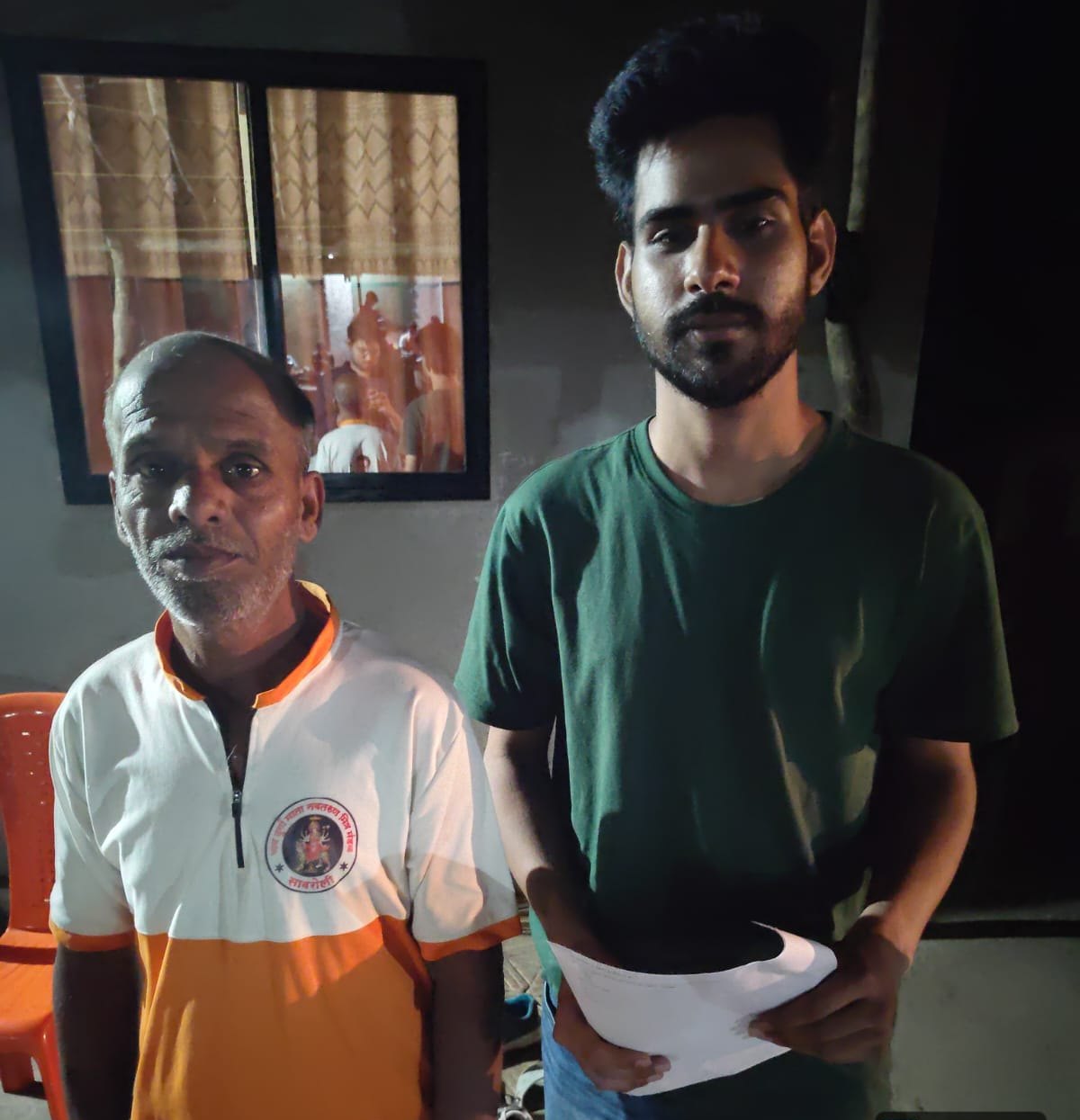

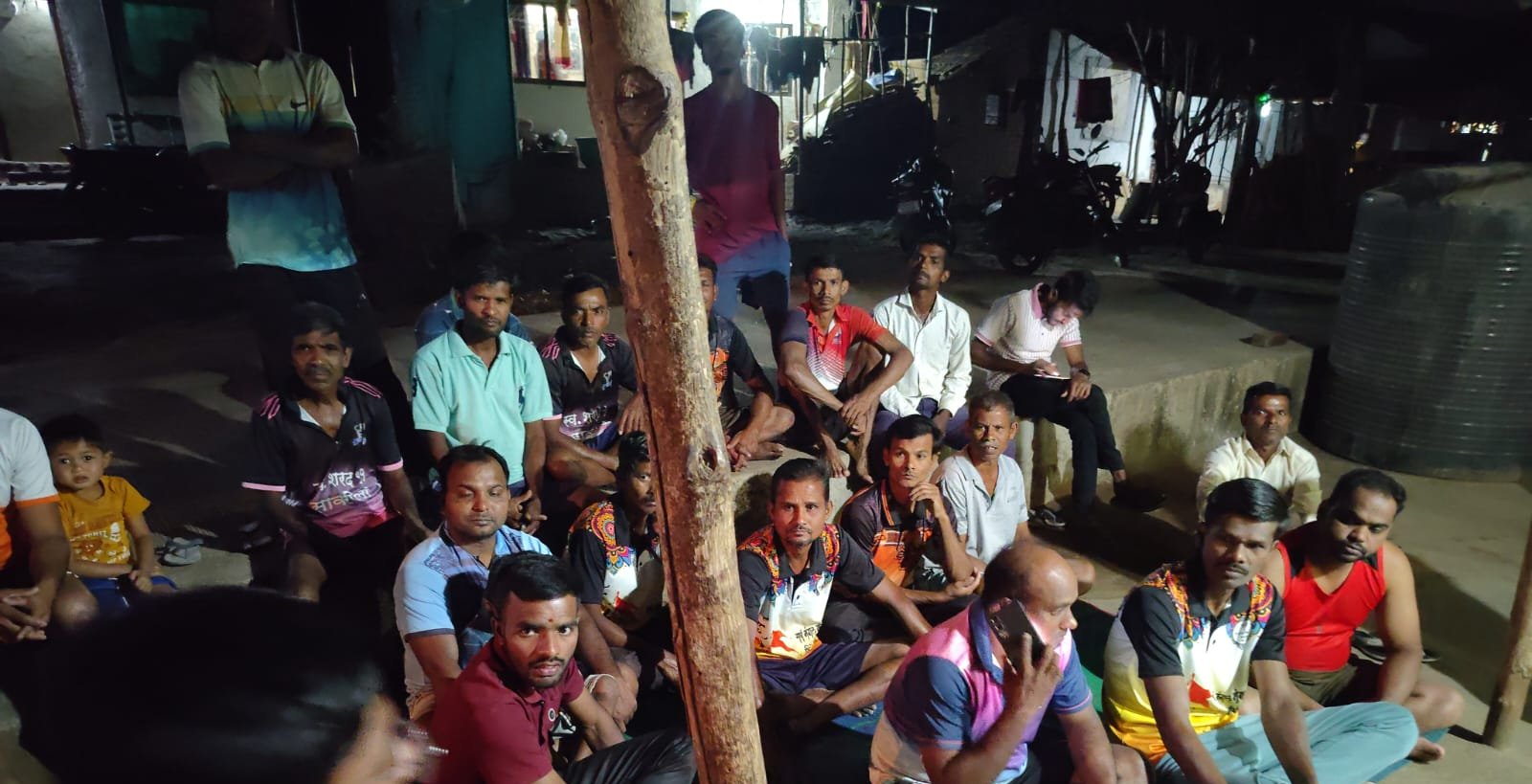

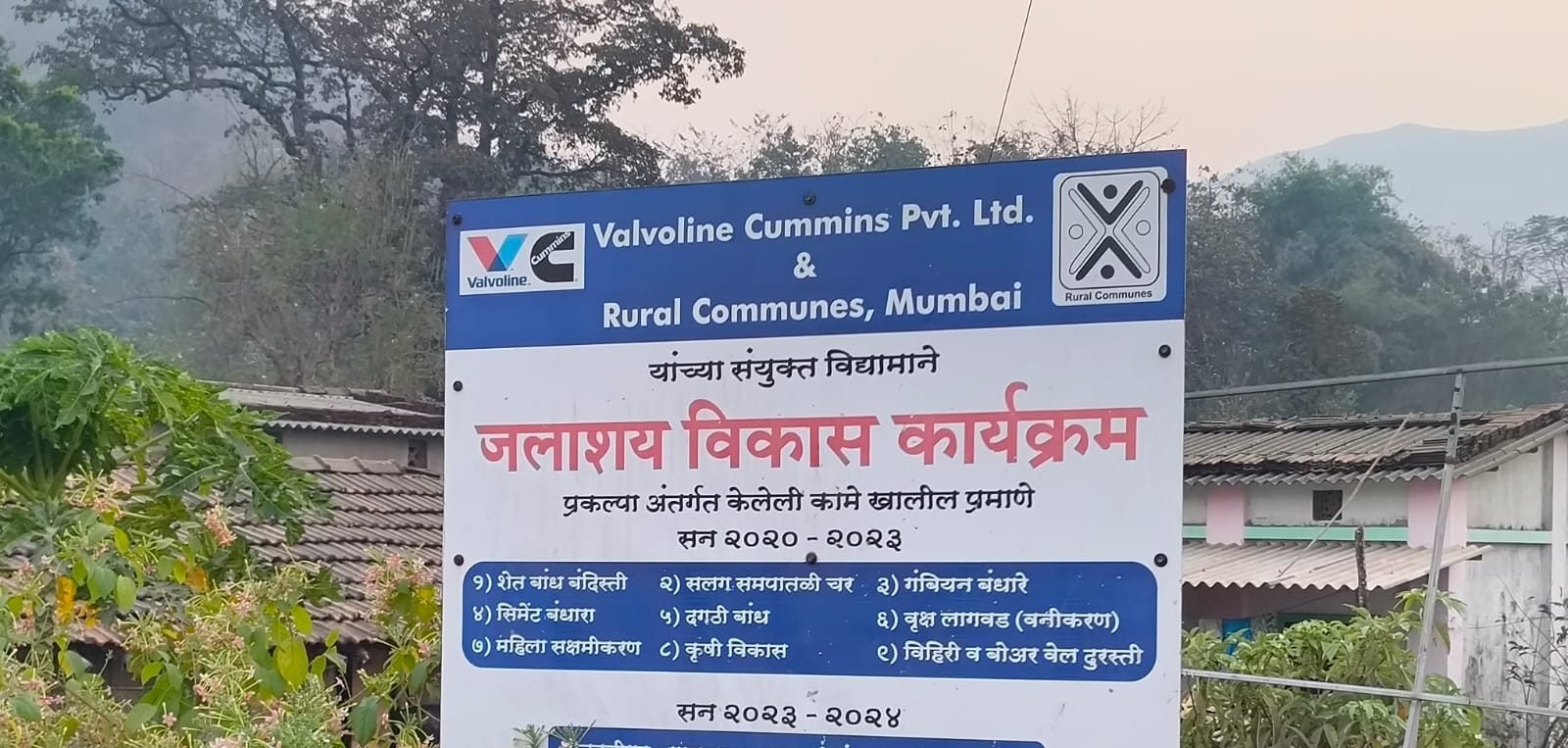
Photographs are resized to 1600px automatically. Empty slots stay hidden until you add an image.
Where our work is concentrated.
Sector knowledge is not decoration. It decides whether an instrument asks the right question and whether an evaluator recognises an implausible number when it appears in the data.
Get in touch
Tell us the decision you need evidence for.
Send a short note about the programme, the question and your timeline. We will tell you honestly whether it is a study we are the right firm for — and if it is not, who might be.